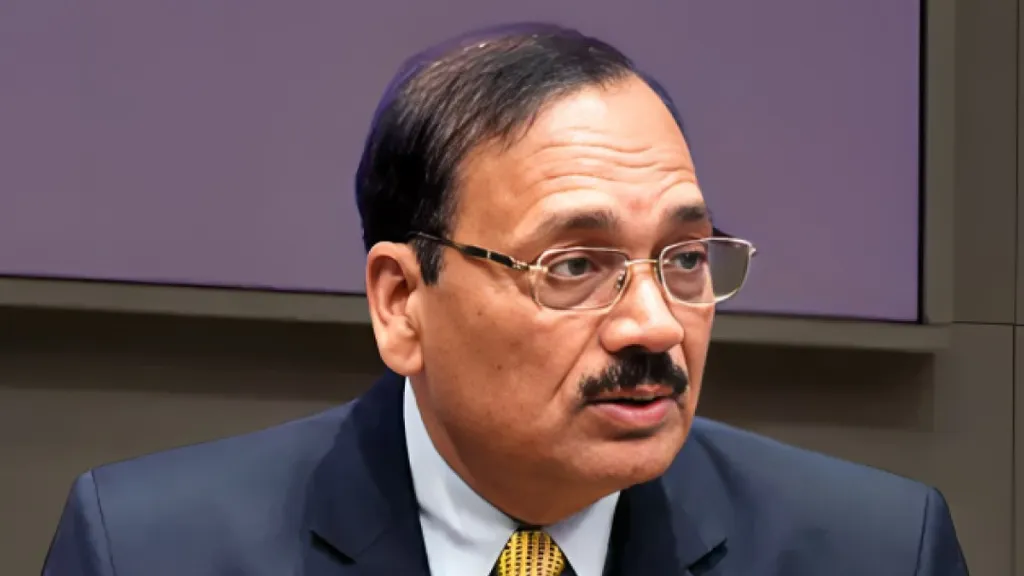
New Delhi, October 12: Chief Justice of India Surya Kant has said the ongoing protests in Delhi against Chief Election Commissioner Gyanesh Kumar are a law and order matter and do not fall within his domain. He made the remark to reporters on Monday on the sidelines of the 33rd foundation day of the National Human Rights Commission (NHRC).
Reports say he answered in Hindi, along the lines of "this is a law and order issue, not my subject." Agency reports and other outlets quote the words slightly differently, but all agree on the substance.
What he said inside the event
Inside the NHRC event, the CJI spoke about the duty to protect constitutional rights. According to reports, he said the Constitution's promises of dignity, equality, liberty and justice must be observed in the field, in the lock-up, in the hospital ward and in the village at the end of the road. He said the framers entrusted courts with enforcing those rights, and that courts must intervene when they are violated. He added that human rights commissions must investigate complaints, and that civil society can bring ground realities to the fore.
The meeting he declined
Earlier, the CJI declined a request from the Leader of the Opposition in the Lok Sabha, Rahul Gandhi, and Congress president Mallikarjun Kharge for a meeting on Monday. They wanted to discuss the Special Intensive Revision (SIR) of electoral rolls. According to reports citing sources, he replied by email that such a meeting would be inappropriate because the issues are already sub judice before the Supreme Court. The Congress later shared the reply publicly. Twenty-three opposition parties had earlier sent a joint letter to the CJI on the SIR process.
Why the remark is drawing attention
Critics noted the timing. The CJI's remark came as detentions of protesters and journalists continued in Delhi. They also pointed out that a Supreme Court bench led by him has issued directions on the treatment of protesters. In July, that bench ordered the release of detained minors and noted allegations of excessive force. On October 11, the Court asked the Solicitor General to ensure that lawyers and journalists are not obstructed in their duties.
Others may read the remark differently. Courts generally decide cases brought before them. They do not comment on policing operations unless a matter reaches them. The remark was made informally to reporters, and it is not a judicial order. Reports say the BJP also criticised the opposition's request for a meeting, arguing that constitutional institutions should not be dragged into political theatre.
The history behind the scrutiny
The CJI's comments on protesters have been under scrutiny since May 15. He then described some unemployed youth as "cockroaches", a remark that led to the formation of the Cockroach Janta Party (CJP), which is now leading the protests. After criticism, he said part of the media had misquoted him.
What happens next
The SIR matter remains before the Supreme Court, and fresh petitions have been reported, including a plea by opposition leaders against the CEC. How the Court deals with police action against protesters will be watched closely.
NewsTRNT will update this report as the situation develops.