

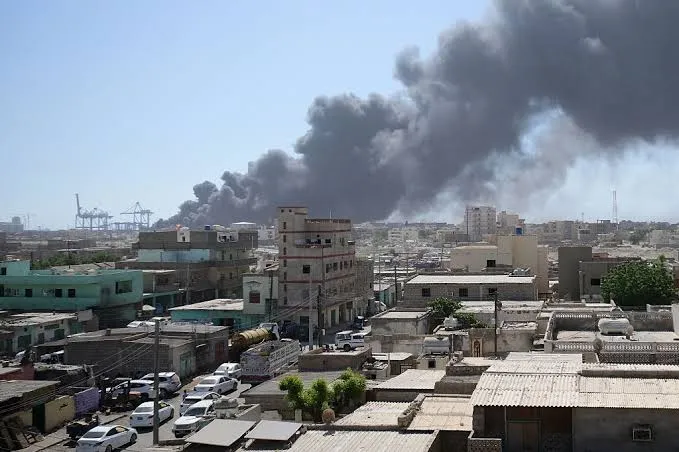
When residents of El-Obeid look up at the sky, they don't see clouds or birds—they see drones. Sometimes as many as 40 unmanned aircraft swarm the airspace above this besieged Sudanese city of 500,000 people, transforming the hum of engines into a relentless soundtrack of terror.
While the global news cycle often fixates on economic summits and political posturing in the West, one of the most severe human rights catastrophes of 2026 is unfolding in the shadows. For the civilians trapped in El-Obeid, the violence is indiscriminate.
"You might get hit and killed by a drone while you're asleep at home, or while on the way to school," shared a local resident, capturing the paralyzing reality of a city held hostage from above.
A Blueprint for Atrocities
Sudan's brutal civil war, raging for over three years between government forces and the paramilitary Rapid Support Forces (RSF), has already triggered the world's largest displacement crisis. Yet, the current siege on El-Obeid marks a terrifying escalation.
United Nations experts are sounding the alarm, warning that El-Obeid is on the brink of mass atrocities. The fear is rooted in recent history: the tactics currently being deployed mirror the horrific events in the Darfur city of El-Fasher last year, where the RSF slaughtered approximately 6,000 civilians in a massacre that U.N. investigators declared bore "the hallmarks of genocide".
The RSF's strategy in El-Obeid is methodical and devastating. They are not just using drones; they are deliberately attacking critical infrastructure. By targeting water distribution points, they have manufactured severe water shortages, effectively weaponizing thirst against half a million people.
Disease Multiplies the Devastation
The collapse of infrastructure has paved the way for a secondary, equally lethal enemy: disease.
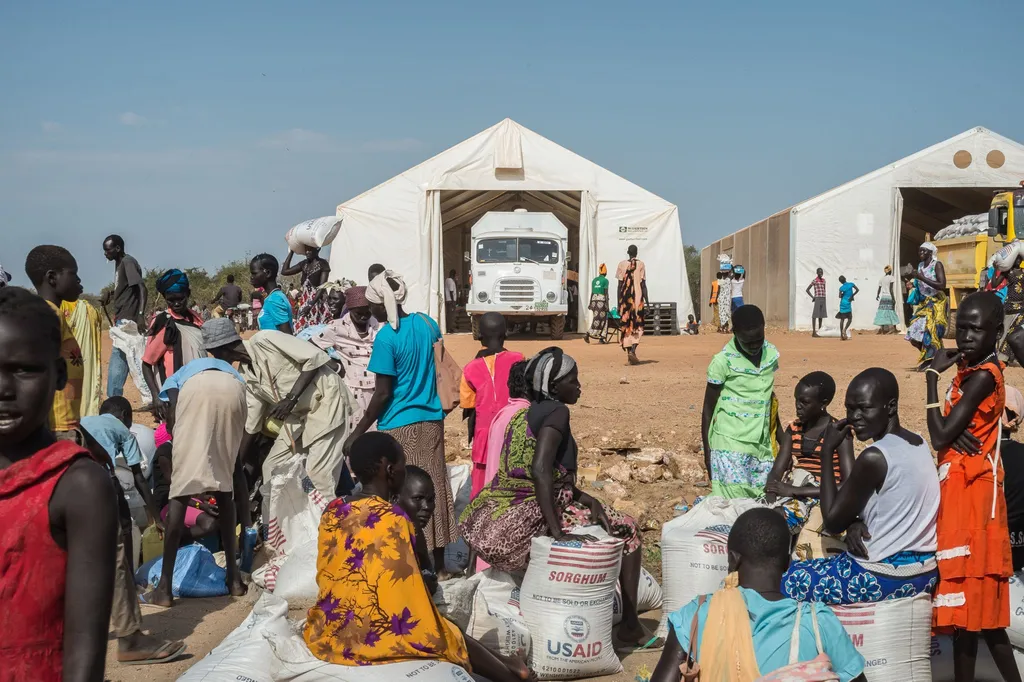
"Cholera is tearing through certain communities in the city," reports Plan International Sudan Director Mohamed Kamal. This outbreak is being aggressively compounded by heavy monsoon rains and the very drone strikes that define the siege. Crucial medical facilities have been crippled by the bombings, leaving thousands of sick and injured civilians without access to life-saving medications or urgent treatment.
The Silence of the International Community
According to the International NGO Safety Organisation, North Kordofan—the state where El-Obeid is located—has recorded the highest number of drone attacks in Sudan this year. Despite recent military advances by government forces elsewhere in the region, experts like Sudan researcher Eric Reeves concede a grim reality: "There is no likelihood of a military rescue of el-Obeid".
The international response remains sluggish. While a coalition of over 20 U.S. senators recently penned a letter to Secretary of State Marco Rubio, urging immediate diplomatic intervention to prevent further mass atrocities, tangible action on the ground has yet to materialize.
For the people of El-Obeid, diplomatic letters offer no shelter from the falling bombs. As the drones continue to circle and cholera ravages the remaining camps, the world faces a harrowing question: Will we wake up to the suffering in Sudan, or will we allow another city to be erased in silence?