

If you’ve ever felt "butterflies" in your stomach before a big presentation or lost your appetite when you were stressed, you’ve experienced the gut-brain connection in action. For years, the medical community viewed the stomach as nothing more than a mechanical processing plant for our meals. Today, science is revealing a fascinating truth: your gut is essentially your body's "second brain," and it holds the key to your mental well-being.
The complex ecosystem living in your digestive tract isn't just breaking down your lunch—it's actively whispering to your central nervous system, influencing everything from your daily stress levels to your overall mood.
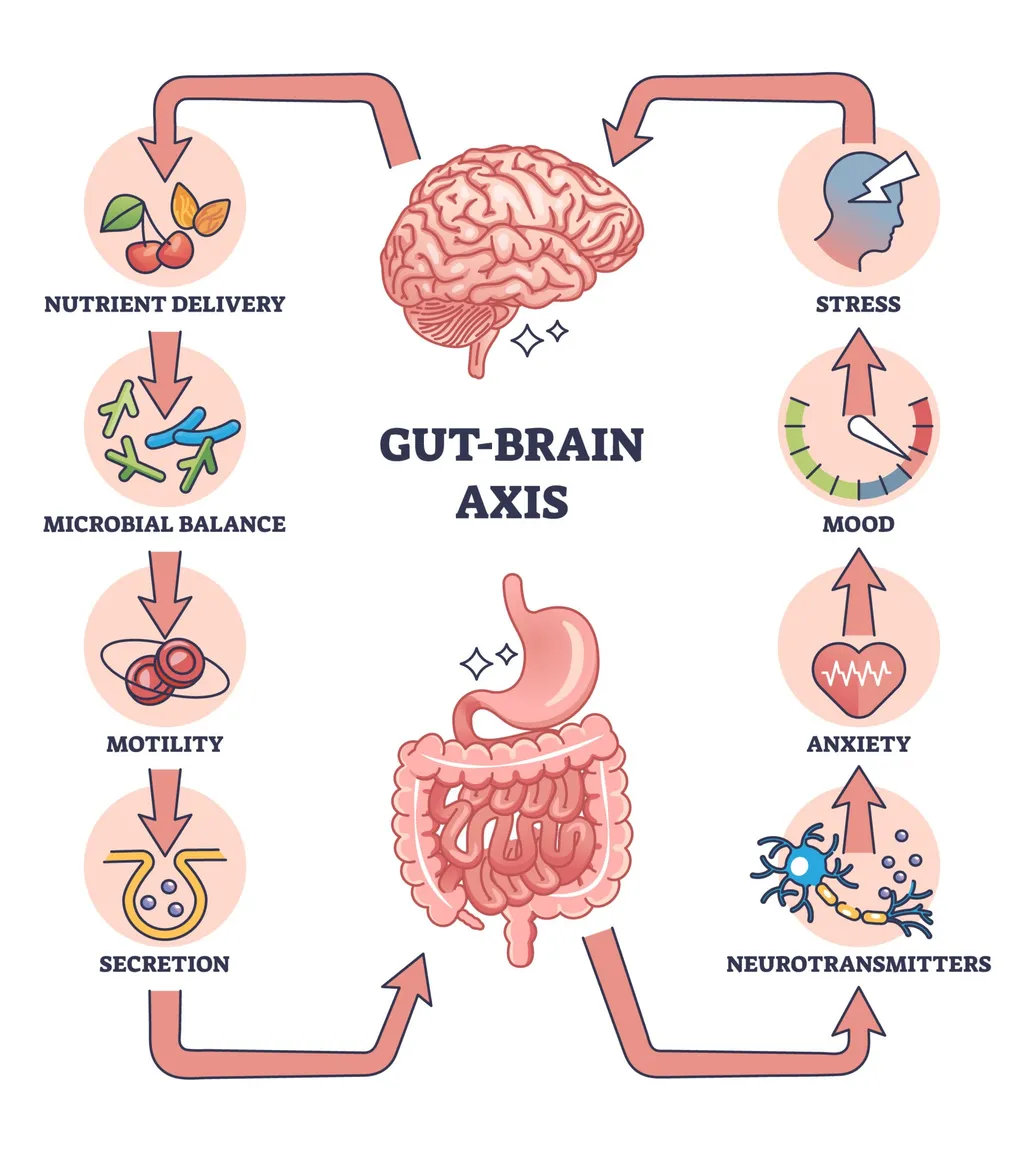
Here is a deep dive into how this hidden connection works, the warning signs that your system is out of balance, and exactly what you can do to fix it.
What Exactly is the Human Microbiome?
Before understanding how the gut communicates with the brain, we have to look at who is doing the talking. Your gastrointestinal tract is home to an astonishing ecosystem called the microbiome.
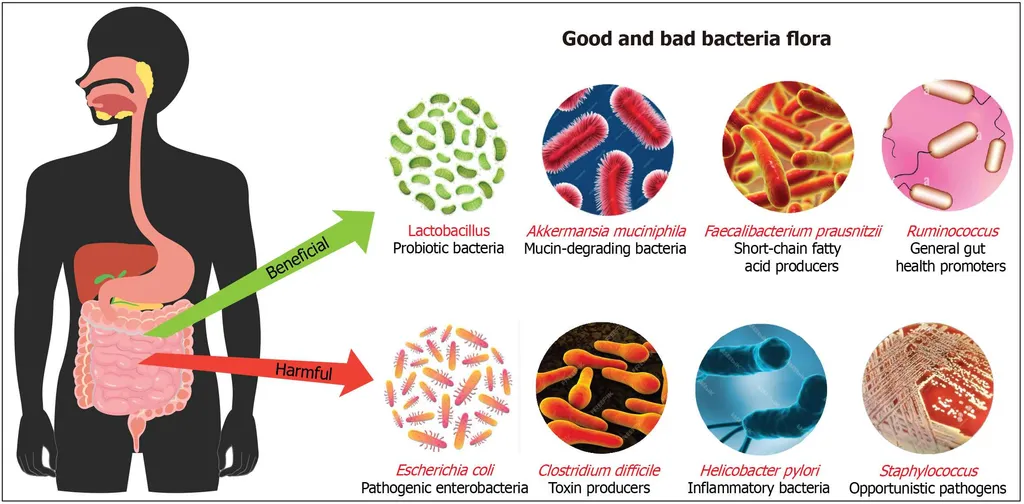
This environment consists of trillions of microorganisms, including bacteria, fungi, viruses, and parasites. While that might sound alarming, the vast majority of these microbes are highly beneficial—in fact, human life couldn't exist without them. Weighing in at around 2 to 5 pounds (roughly the same weight as your actual brain), your microbiome is as unique to you as your fingerprint.
When this ecosystem is diverse and balanced, it regulates your immune system, absorbs nutrients, and protects against pathogens. But its most surprising role is how it manages your mental health.
The Vagus Nerve: The Body's Information Highway
The connection between your gut and your brain isn't just metaphorical; it's intensely physical. The vagus nerve runs directly from your brain stem down into your abdomen, acting like a high-speed fiber-optic cable. Through this pathway, the microbes in your gut send constant chemical messages to your brain.
Did you know? An estimated 90% of your body's serotonin—the crucial "happy chemical" that regulates mood, sleep, and appetite—is produced in your digestive tract, not your brain. Your gut also produces about 50% of your body's dopamine.
Because this communication highway is a two-way street, brain trouble can cause gut trouble, and gut trouble can cause brain trouble. When your gut microbiome is imbalanced—a condition called dysbiosis—those chemical messages get scrambled. Recent studies have directly linked an inflamed gut to higher rates of anxiety, brain fog, depression, and chronic fatigue.
Before we look at how to optimize this system, it helps to understand the mechanical journey of how our bodies process food and extract these vital nutrients.
5 Silent Signs You Have an Unhealthy Gut
How do you know if your "second brain" is struggling? Gut imbalance doesn't always show up as a stomachache. Often, the symptoms are systemic. Here are five common signs of dysbiosis:

Erratic Moods and Anxiety: Because of the serotonin connection, sudden spikes in anxiety, depressive symptoms, or general emotional instability can start in the gut.
Constant Fatigue and Poor Sleep: Since most of the body's serotonin is produced in the gut, and serotonin is a precursor to melatonin (the sleep hormone), gut damage directly ruins sleep quality.
High Sugar Cravings: "Bad" bacteria thrive on sugar. When they multiply, they secrete proteins that actively make you crave more sugar, hijacking your dietary choices.
Unintentional Weight Changes: An imbalanced microbiome impairs your body's ability to absorb nutrients, regulate blood sugar, and store fat, leading to weight gain or loss without changes in diet.
Skin Irritations: Inflammation in the gut caused by a poor diet or food allergies can cause "leaking" of certain proteins out into the body, which can irritate the skin and cause conditions like eczema or acne.
The "Gut Wreckers": What to Avoid
Before adding beneficial foods to your diet, you have to stop feeding the harmful bacteria. To protect your second brain, try to limit:
Ultra-Processed Foods: Heavily modified foods lack the complex fibers that good bacteria need to survive.
Artificial Sweeteners: Some studies suggest that fake sugars (like aspartame and sucralose) can alter the microbial colonies in your gut, leading to metabolic issues.
Unnecessary Antibiotics: While lifesaving when necessary, antibiotics act like a nuclear bomb in your digestive tract, wiping out both the bad and the good bacteria.
Chronic Stress: Mental stress slows down digestion, reducing blood flow to the gut and allowing harmful bacteria to flourish.
3 Ways to Feed Your "Second Brain"
Improving your gut health is one of the most effective, accessible ways to support your mental well-being. You don't need a medical overhaul to start; a few simple lifestyle shifts can completely change your microbial landscape.

1. Load Up on Prebiotics
Prebiotics are specific types of dietary fiber that humans can't digest, but your good gut bacteria love to eat. They act as premium fuel for your microbiome, allowing the good bacteria to multiply.
What to eat: Garlic, onions, asparagus, slightly green bananas, apples, and whole oats.
2. Introduce Fermented Foods (Probiotics)
While prebiotics feed existing bacteria, probiotics add living, beneficial bacteria directly into your system to reinforce your gut's natural army.
What to eat: Kimchi, sauerkraut, kefir, kombucha, miso, and plain yogurt with active cultures.
3. Actively Manage Your Stress Levels
Because the gut-brain axis is a two-way street, chronic mental stress can actively wipe out healthy gut bacteria. Prioritize 7 to 9 hours of sleep, practice deep breathing exercises, or take daily walks to keep your central nervous system out of "fight or flight" mode.
How Long Does It Take to See Results?
The beauty of the microbiome is its adaptability. Your gut bacteria shift rapidly in response to what you eat. In fact, dietary changes can alter your microbiome makeup in as little as 24 to 48 hours.
However, if you have spent years eating highly processed foods or taking multiple rounds of antibiotics, deeper healing (repairing the gut lining and reducing chronic inflammation) takes time. Most experts agree that noticeable, lasting improvements in mood, digestion, and energy levels take 3 to 6 months of consistent, gut-friendly habits.
The next time you get a "gut feeling" about something, pay attention. It’s not just a figure of speech—it's your body's second brain doing exactly what it was designed to do. Treat it well, and your mind will thank you.